Educational overview only. FinanceFortifyHub (www.jy47.top) is not a lender, broker, bank, or credit-repair company, and does not provide personalized loan, investment, tax, or legal advice. Verify details with licensed professionals and official issuers.
U.S. consumers can access their specialty consumer reports that track utility and telecom payment history by submitting properly formatted requests directly to the agencies that maintain those records. These files operate separately from the core credit reports maintained by the three nationwide consumer reporting agencies, and are most often used by new electric, gas, water, internet, cable, and wireless providers to determine eligibility for service, calculate required security deposits, and verify prior payment history with similar providers. Under the federal Fair Credit Reporting Act (FCRA), you are entitled to one free copy of each of these specialty reports every 12 months, though the request process is far less widely advertised than the centralized portal for standard credit reports. Unverified or incorrect entries on these files can lead to unexpected security deposits, unnecessary service denials, or misapplied payment records that follow you across state lines when you switch providers, making an annual request and review a low-lift routine household finance task.
Compile required identity documentation
Specialty reporting agencies enforce strict identity verification protocols to prevent unauthorized release of personal consumer data, so gathering all required documentation before you begin the submission process will cut down on processing delays and follow-up requests for missing information. You will never need to send original physical documents to any agency; clear, legible digital copies or black-and-white paper copies are sufficient for verification. If you have an active security freeze on your consumer files, you do not need to fully remove the freeze to request your own file disclosure, but you may need to provide a copy of your freeze PIN or confirmation to confirm your identity as the file holder.
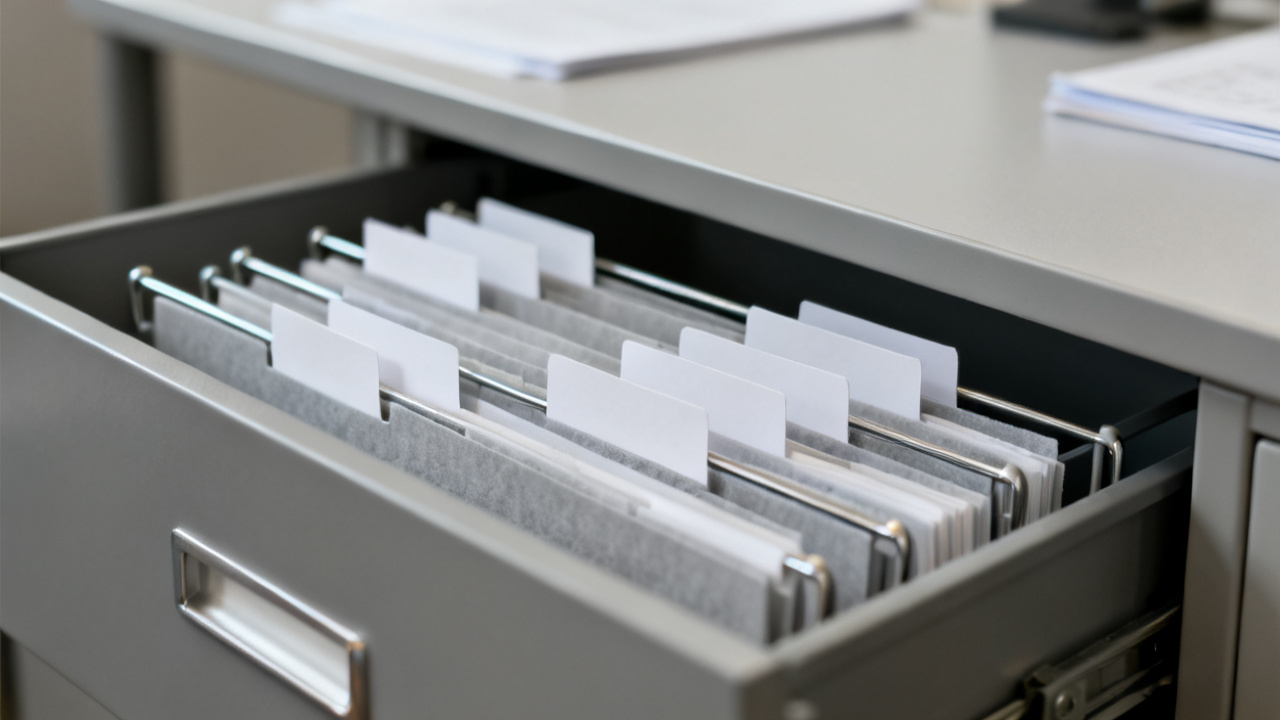
Use the checklist below to gather every required item before you navigate to agency submission channels:
Specialty-File Request Checklist
- [ ] Full legal name, plus all former names, maiden names, or name suffixes used to open utility or telecom accounts in the last 7 years
- [ ] Current residential address, plus a dated (issued within the last 90 days) proof of address document such as a utility bill, bank statement, signed lease agreement, or official government mail showing your full name and address
- [ ] Clear copy of a valid government-issued photo ID (driver’s license, state ID card, passport, or military ID), with the ID number redacted to show only the last four digits alongside your full name, photo, and expiration date
- [ ] List of all residential addresses used in the last 2 years, with approximate move-in and move-out dates to help agencies match your record across prior service locations
- [ ] Last four digits of your Social Security number (never send your full Social Security number via unencrypted email or unsecured web forms; agencies will prompt you through a secure channel if additional verification is needed)
- [ ] Copy of any adverse action notice received in the last 60 days from a utility or telecom provider that denied service, required an elevated security deposit, or applied different service terms based on a report pull, as this qualifies you for an additional free report outside the annual window
- [ ] Fraud alert or security freeze confirmation documentation (if applicable) to speed identity verification for agencies where you have active protections on your file
- [ ] Contact information for any specialty reporting agencies named in recent adverse action notices from service providers
- [ ] Dedicated digital or physical folder to store submission records, request confirmations, and copies of received reports for future reference
Locate dedicated submission channels
Unlike core credit reports, utility and telecom specialty files are not all available through the central Annual Credit Report Service portal, so you will need to identify the dedicated consumer request channels for each agency that maintains records relevant to your service history. The two largest specialty agencies focused exclusively on utility and telecom reporting are the National Consumer Telecom & Utilities Exchange (NCTUE) and Experian’s Utility Exchange, though smaller regional agencies may maintain records for rural electric cooperatives, municipal water providers, or local fixed-wireless telecom companies.
For each agency, navigate directly to its official website and look for pages labeled “consumer disclosure,” “free annual report,” or “file request” rather than using general customer service contact forms, which often route to support teams that do not process consumer report requests. Most agencies accept requests through a secure online portal, encrypted document upload, or USPS mail; a small number offer toll-free phone request lines, though phone submissions almost always require you to follow up by mailing or uploading verification documents to complete the request. Avoid third-party sites that advertise “free utility reports” in exchange for credit card information for trial memberships, as these are not official agency channels and often charge recurring fees for services you can access for free directly. If you have not received an adverse action notice, you can start with the two national utility and telecom exchanges, as most large providers report payment data to one or both of these agencies.
Draft targeted file request language
You do not need a formal legal letter to submit a valid file request, but clear, specific language will ensure your request is routed correctly and you receive a full copy of all records in your file, rather than a partial summary. Start your request by clearly stating you are seeking your free annual consumer file disclosure under FCRA Section 612, covering all utility and telecom payment records maintained under your identity. List all name variations, current and prior addresses, and a secure contact email or phone number where the agency can reach you if additional verification is required.
Explicitly request that the agency include all categories of information in your file: all open and closed utility and telecom accounts reported by participating providers, 24 months of payment history for each account, all records of inquiries from companies that accessed your file in the last 2 years, any collection accounts or charge-offs tied to utility or telecom service linked to your identity, and all personal identifying information stored in your file so you can check for mismatched records. If you are submitting a request after receiving an adverse action, note the date of the notice and the name of the provider that issued it to confirm your eligibility for a no-cost report. Do not include initial dispute claims or requests for credit corrections in your initial file request, as these can be processed separately after you receive and review your full report, and adding extra requests can slow down disclosure processing times.
Retain submission confirmation records
FCRA requires verified consumer report requests to be fulfilled within a defined processing window, so retaining clear proof of your submission will help you follow up on delayed requests and resolve disputes if an agency claims it never received your materials. For requests submitted through an online portal, save a PDF copy of the final confirmation screen that shows your unique submission reference number, date of submission, and stated processing timeline, along with copies of all documents you uploaded as part of the request. For requests sent via USPS, use certified mail with a return receipt requested to get official, dated proof of when the agency received your materials. For phone requests, write down the date and time of the call, the full name and agent ID of the representative you spoke with, and any reference number provided for your request.
Store all these records in the dedicated folder you created during the documentation step, and note the expected delivery date for your report, which is typically 2–3 weeks from the date the agency receives your verified request. FinanceFortifyHub recommends labeling each saved file with the agency name and submission date to make follow-up faster if requests are delayed. If you do not receive your report within the stated timeline, reach out to the agency’s consumer support line with your reference number and proof of submission to request a status update. Keep all submission records for at least 12 months after you receive your report, in case you need to reference submission dates during future dispute processes.
Cross-check reported utility and telecom entries
When you receive your specialty file, review every entry systematically to catch errors before they lead to unexpected costs or service denials. Start by verifying all personal identifying information on file: confirm your name, address history, and partial SSN match your records, and check for any unrecognized aliases or addresses you never lived at, which can indicate a mixed file (where your records are combined with another consumer’s data) or attempted identity fraud to open service in your name. Next, cross-reference each listed account against your own billing and payment records: confirm account open and close dates align with your actual service periods, that payment history does not incorrectly mark paid-on-time bills as late, that final account balances match the amount you paid when closing service, and that there are no collection accounts for services you never opened or already paid in full. Finally, review the inquiry log to confirm every listed company that accessed your file is a provider you actually applied to for service in the last 2 years; unrecognized inquiries can be an early sign of identity theft.
If you find errors, follow the agency’s formal dispute process, attaching copies of your own payment confirmations, service cancellation receipts, or billing statements to support your request for correction. Note that all guidance on this page is for general educational use, and cannot guarantee a specific service approval, credit outcome, or resolution to a billing dispute. For complex issues involving identity theft or persistent reporting errors, consult the reporting agency directly, your service provider, or a licensed consumer protection attorney to address your specific situation.
Your next practical action is to pull your government-issued photo ID and a recent proof-of-address document to start assembling the items on the specialty-file request checklist.